From VCRs to 6K: What 30 Years Behind the Camera Actually Taught Me
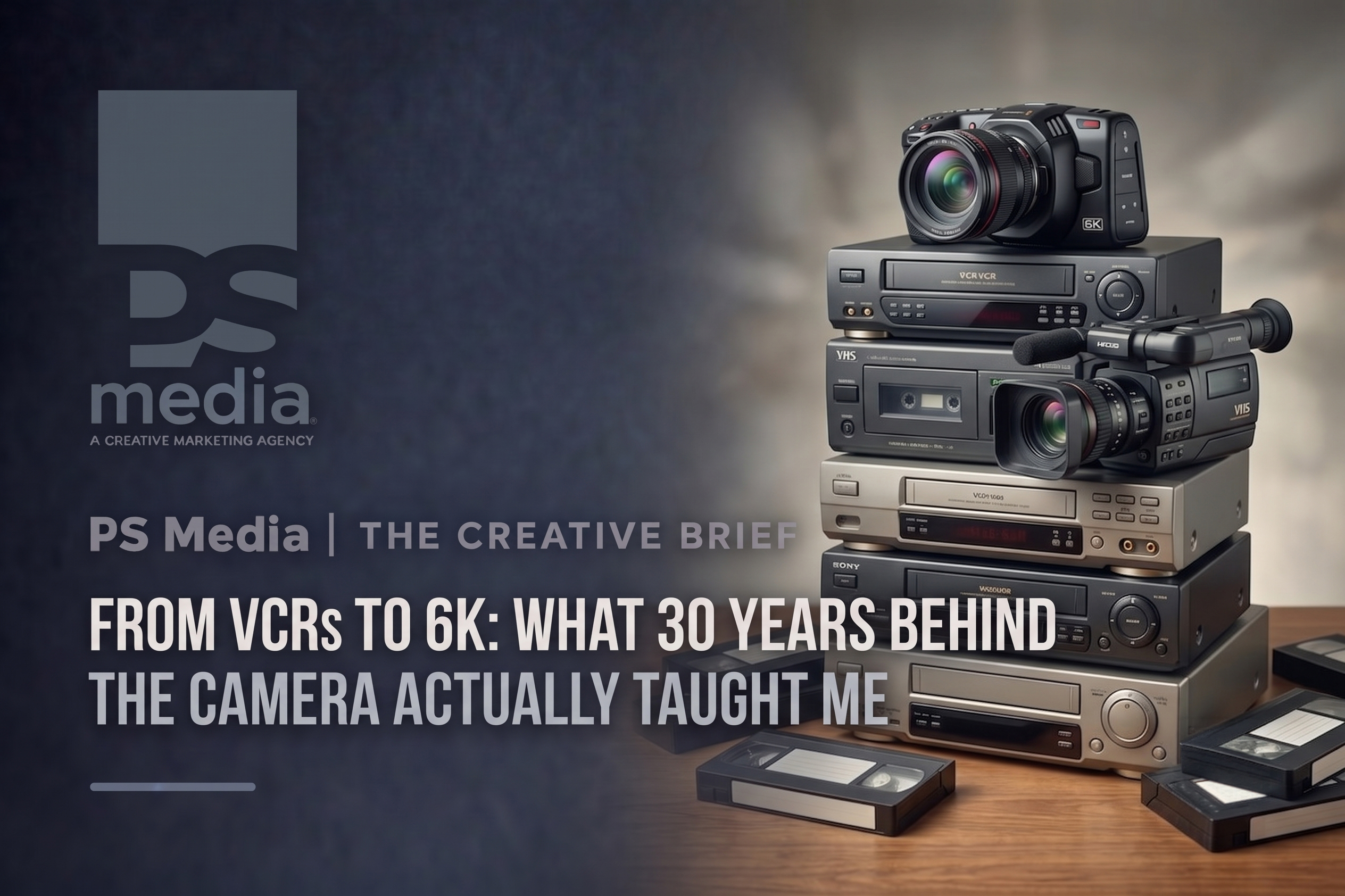
Last week I was editing a project on Adobe Premiere that I shot on my Canon 6K Blackmagic camera, and it hit me how far this craft has come since I started.
Back in the early 90s, my "camera" was a VHS camcorder I rented from Safeway. My "editing suite" was two VCRs hooked together, cutting scenes in real time by hitting record and praying I timed it right. The biggest video technology that consumers might be able to get their hands on was Video Toaster. It looked like the future. Sadly, I never had the money to buy this wizard machine. See here how expensive it made everything look. https://www.youtube.com/watch?v=seznQmDp2pU
Here's what I didn't realize back then: editing on two VCRs with zero room for error taught me more about storytelling than any piece of gear ever could. There was no undo button. No layers. No fixing it in post. You had to know your story before you touched a single button, because you only got so many chances to get it right.
Thirty years later, I'm shooting 6K footage and editing with tools that would have sounded like science fiction to my younger self. The technology keeps changing, and I've made it a point to keep changing with it. Staying current isn't optional in this industry. If you're not learning the new tools, you're falling behind.
But here's the thing I keep coming back to: none of the new gear changes the job. The camera doesn't tell the story. The software doesn't tell the story. I do. The Video Toaster didn't make a good video any more than a Blackmagic 6K does. Good story does that.
That's the through-line for me across three decades of this work: embrace the new technology, always. Never stop learning it. But never forget that the fundamentals I picked up fighting with two VCRs and no options are still exactly what make a video work today. The tools just look a lot cooler now.
Story wins. It always has.